- Find the leaks first: a stick of incense and a sheet of paper show you where air gets in.
- For doors, use V-strip or a silicone bulb on the sides and top, and a sweep at the bottom.
- For windows you rarely open, a shrink film kit is the cheapest fix and works for renters.
- ENERGY STAR estimates that sealing leaks and adding insulation saves about 15% on heating and cooling. Weatherstripping alone is part of that, so expect less.
Finding the best weatherstripping for doors starts with the right type for each gap. The sides and top of a door need one kind of seal, and the bottom needs another. Drafty windows need a different fix again, especially if you rent. The wrong choice wears out in a season, while the right one lasts for years.
This guide covers both: weatherstripping for doors and window insulation kits. It shows how to find leaks, which material fits where, what it costs, and when it is worth the effort.
Step 1: Find the Drafts You Can’t See
Before you buy anything, find out where your home actually leaks.
- The incense test. On a windy day, move a lit incense stick slowly along door and window frames, outlets on outside walls, and places where pipes or wires go through a wall. If the smoke bends or flutters, you have found a leak. Keep it away from curtains and insulation, never leave it unattended, and skip it if anyone in the home has asthma: the paper test or a damp hand works too.
- The paper test. Close a door or window on a sheet of paper. If it slides out easily, the seal is weak.
- The light test. At night, have someone shine a flashlight around the closed door from outside. Any light you see is a gap.
- Spots people miss: mail slots, pet doors, attic hatches, and switch or outlet plates on exterior walls.
Draft-Sealing Planner
Tell us what you want to seal. The tool adds up the materials and estimates the savings. It is a rough estimate, not a promise: the real result depends on how leaky your home is and on your climate.
Film kits last one winter, foam tape 1–3 years, V-strip about 5–7 years and silicone often 10 years or more. Comfort improves even when the money saved is small.
The Best Weatherstripping for Doors, by Type
| Type | Best for | Typical cost per door | Typical life |
|---|---|---|---|
| Foam tape | Quick fix, low-traffic doors | Under $10 | 1–3 years, less in strong sun |
| V-strip (tension seal) | Door sides and top, busy doors | About $8–$15 | About 5–7 years |
| Silicone or EPDM bulb | Front doors, harsh weather | About $10–$20 | 5–10 years, silicone often longer |
| Door sweep | The gap under the door | About $10–$15 | About 3–5 years |
| Door shoe / automatic bottom | Long-lasting bottom seal | More, and needs trimming or skill | Many years |
Silicone and EPDM rubber are the most durable for exterior doors. They stay flexible in heat and cold and resist sun and moisture. V-strip is a folded strip of vinyl or metal that springs back after the door presses it, so it handles hundreds of closings a year. Foam tape is cheap and easy, but it flattens fast and its glue can fail in heat. A door sweep mounts to the bottom of the door and touches the threshold. A door shoe wraps the bottom edge and protects better, but you have to trim it to fit.
How to Choose Weatherstripping for Doors
- Match the gap. V-strip or a silicone bulb for the sides and top, a sweep for the bottom.
- Match the traffic. A front door needs silicone or rubber. A door you rarely use can get by with foam.
- Match the climate. Strong sun and big temperature swings favor silicone.
- Combine types. V-strip on the sides and top plus a solid sweep gives the most complete seal.
Hardware stores carry many brands. M-D Building Products, Frost King and Duck are common for kits and sweeps. Professional silicone gaskets, such as Pemko, suit people who want a seal that lasts. Compare current prices, since they change.
How to Weatherstrip a Door, Step by Step
- Find the gaps with the incense, paper or light test.
- Remove the old strip and clean the frame. Dust and old glue stop new tape from sticking.
- Measure twice. Cut each piece a little long, then trim it to fit.
- Apply it where the door touches the frame when closed, pressing firmly.
- Fit the sweep at the bottom so it just touches the threshold without dragging.
- Test it again with the paper test. The door should close without forcing.
Watch: Weatherstripping an Exterior Door
This Old House shows the whole job on a real exterior door, including how to check the seal afterwards.
Window Insulation Kits and Other Renter-Friendly Fixes
If you rent, you can’t replace drafty windows, but you pay the heating bill. The Department of Energy says about 30% of a home’s heating energy is lost through windows, so removable window fixes are worth a look.
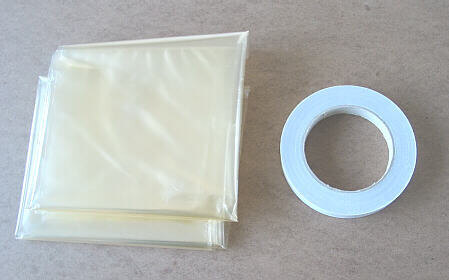
Option 1: Shrink film kits (cheapest)
You stick a clear plastic sheet to the window frame with double-sided tape, then tighten it with a hair dryer. The film traps a layer of still air that blocks drafts and slows heat loss. Kits cost roughly $5–$10 per window.
Be careful with savings claims. Testers often report much less heat loss through the glass, but that is not the same as a smaller bill, because windows are only part of your home’s heat loss. Expect a warmer window area, no drafts and a modest drop in heating use, with the biggest gains on old single-pane windows.
The catches: it lasts one winter; you can’t open the window while it’s on; and the tape can pull paint off plaster, drywall or bare wood. It works best on painted wood, vinyl or aluminum. Test a small spot first.
Option 2: Magnetic or compression panels (reusable)
A clear acrylic panel attaches over the window with magnetic strips or a tight fit, creating a second layer like a double pane. They last many seasons and come down in minutes, but cost more and need exact measurements.
Option 3: Thermal curtains and cellular shades
No tape at all. Hang them on tension rods or removable hooks. Open them on sunny winter days and close them at night. Our guide to smart blinds and curtains covers the official figures.
Option 4: Rigid foam board (windows you never use, and never an escape window)
A piece of foam board cut to fit the frame insulates much better than film. It friction-fits, so no glue is needed, but it blocks all light. It suits a spare-room window that is not needed as a way out. Never cover a window you may need to escape through in a fire: the U.S. Fire Administration says to keep doors and windows in your escape plan easy to open, so the board must come out quickly by hand.
Cheap extras: a draft snake along the bottom of a door or window, removable weatherstripping on the window sash, and foam gaskets behind outlet covers on outside walls.
In summer, film helps less. Light-colored blinds closed during the sunniest hours do more.
What Real People Say
These are individual experiences, summarized in our own words.
On a Straight Dope forum thread, one person in windy Cleveland covered a huge three-section window in under an hour with a basic hair dryer. Another put film on two large, drafty bedroom windows in about 40 minutes. They didn’t see a dramatic change, but the bedroom stopped feeling colder than the hallway.
Source: Straight Dope forumA reader commenting on My Money Blog put shrink film on bedroom windows he never opens and left it up all year. He estimated it saved him about $10 a month in heating and again in cooling. He also hung a full-length curtain over his apartment’s front door, which opens straight to the outside.
Source: My Money Blog (reader comment)Free Help If You Qualify
The Department of Energy’s Weatherization Assistance Program pays for air sealing, insulation and other upgrades for income-eligible households. The DOE says these households save an average of $372 or more a year. Contact your state’s weatherization office to check if you qualify.
- Where each material works best: door sides, door bottom or windows
- Typical store prices and lifespans for each type
- Whether a renter can remove it without damage
- Savings figures from ENERGY STAR and the Department of Energy
We compared types of products, not brands. We haven’t tested these products in person. No brand paid to be included.
When It Isn’t Worth the Effort
- Your doors and windows already seal well. If the paper and incense tests show nothing, put your money into attic insulation instead.
- The door or frame is damaged. A warped door or rotten frame needs repair first. New strips won’t close a big gap.
- You need to open the window. Shrink film seals it shut for the season. Use curtains or removable sash weatherstripping instead.
- You expect a huge bill cut. Weatherstripping mostly improves comfort. The money saved is usually modest.
Frequently Asked Questions
What is the best weatherstripping for doors?
For most front doors, V-strip or a silicone bulb on the sides and top, plus a good door sweep at the bottom. Silicone lasts longest. Foam tape is only a quick, cheap fix.
How long does weatherstripping last?
Foam tape 1–3 years, V-strip about 5–7 years, rubber or EPDM 5–10 years and silicone often longer. Busy front doors wear seals out faster than back doors.
Do window insulation kits really work?
Yes, on drafty or single-pane windows. They stop drafts and make the room feel warmer. The saving on the bill is usually modest, because windows are only part of a home’s heat loss.
Will shrink film damage my rental?
It can pull paint off plaster, drywall or bare wood. Use it on painted wood, vinyl or aluminum frames, test a small spot first, and remove the tape slowly in spring.
When should I replace weatherstripping?
When you see daylight around a closed door, feel a new draft, or the strip is cracked, flattened or loose.
Our Verdict
Do the leak tests first, then fix what you find. For doors, V-strip or silicone on the sides and top plus a sweep at the bottom is the best weatherstripping for most homes. For windows you rarely open, a shrink film kit is the cheapest renter-friendly fix. It is an hour of work and a few dollars, and you will feel the difference before you see it on the bill.
Keep reading
- Smart Blinds for Energy Savings: Which Windows Really Benefit: which windows benefit from smart blinds.
- Why Is My Electric Bill So High? Find the Cause With a Bill Detective and a DIY Energy Audit: find why your bill went up.