- The three most common home batteries in 2026 are the Tesla Powerwall 3, the Enphase IQ Battery 5P and the FranklinWH aPower 2.
- Installed prices typically run about $11,000–$19,000 for 13–15 kWh. The 30% federal credit ended for systems installed after 2025.
- A battery mainly buys backup power and, with time-of-use rates or weak net metering, some savings. It rarely pays for itself on savings alone.
- How long it lasts in an outage depends on what you run: a full battery can last a day on essentials, or a few hours with central AC.
Choosing among the best home battery systems in 2026 mostly comes down to three names: the Tesla Powerwall 3, the Enphase IQ Battery 5P and the FranklinWH aPower 2. But before comparing brands, it helps to know what a battery actually does, what it costs, and whether you need one at all. This guide covers both, with a calculator for backup hours.
What a Home Battery Does
- Charges from solar panels making more than you use, or from the grid, often during cheap off-peak hours.
- Stores that energy in lithium cells. All three batteries here use lithium iron phosphate (LFP), valued for safety and long life.
- Discharges in the evening, during expensive peak hours, or when the grid goes down.
Do you need solar? No. A battery can charge from the grid and still give backup power and help on time-of-use rates. Paired with solar, it stores your own daytime power instead of exporting it cheaply.
AC-coupled vs DC-coupled. AC-coupled batteries (like Enphase) work alongside an existing solar inverter and are the easy choice for adding storage to solar you already have. DC-coupled or hybrid systems (like the Powerwall 3, which includes a solar inverter) fit best with a new solar install.
The Best Home Battery Systems Compared
How we picked: “Best for” here means best on one spec you can check yourself on the maker’s spec sheet: usable capacity (kWh) per unit, continuous power (kW) per unit, and how it fits your solar setup. We have not tested these batteries in person, and no brand paid to be included.
| Tesla Powerwall 3 | Enphase IQ Battery 5P | FranklinWH aPower 2 | |
|---|---|---|---|
| Usable capacity | 13.5 kWh | 5 kWh per unit (stackable) | 15 kWh |
| Continuous power | 11.5 kW | 3.84 kW per unit | 10 kW |
| Chemistry | LFP | LFP | LFP |
| Coupling | DC / built-in solar inverter | AC-coupled | AC (with aGate controller) |
| Warranty | 10 years | 15 years | 15 years |
| Typical installed price | About $11,500–$16,500 | About $5,500–$9,500 per unit | About $15,000–$19,000 |
Specs from the makers; prices are typical installer and marketplace quotes in 2026 before incentives and vary a lot by region. Confirm exact figures with your installer.
Tesla Powerwall 3: best for whole-home backup from one unit
One unit stores 13.5 kWh and delivers 11.5 kW, the most of the three, so it can run central air and several big appliances at once. Its built-in solar inverter can lower the cost of a new solar install. The weak spot is the 10-year warranty, shorter than the others.
Enphase IQ Battery 5P: best for Enphase solar homes and starting small
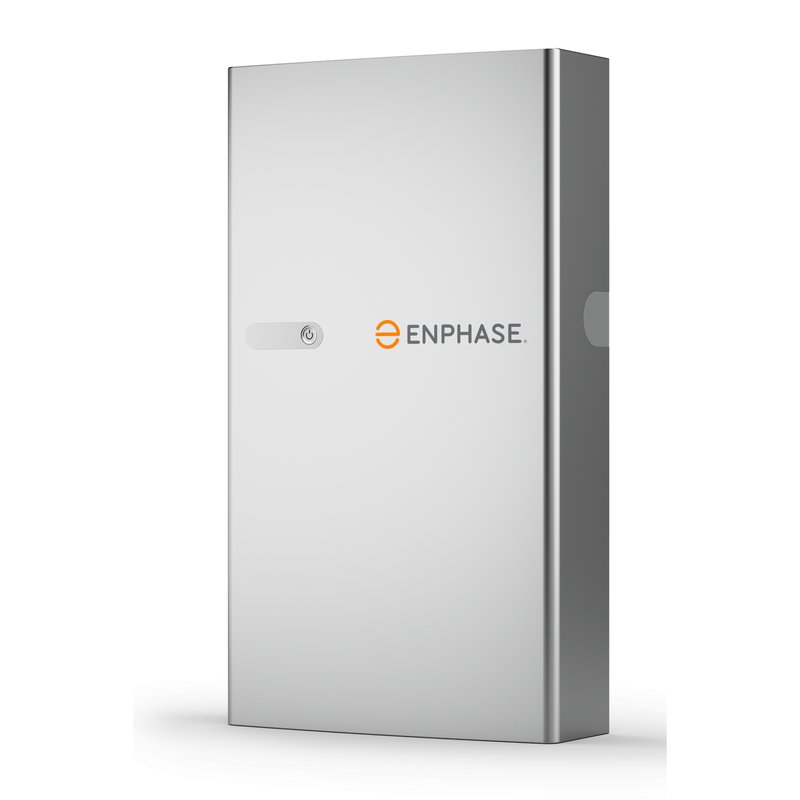
Each unit is small, so you can start with one and add more. Three units give about 15 kWh and 11.5 kW. It pairs naturally with Enphase microinverters and carries a 15-year warranty, but you pay more per kWh and mount more boxes.
FranklinWH aPower 2: best for capacity in one cabinet
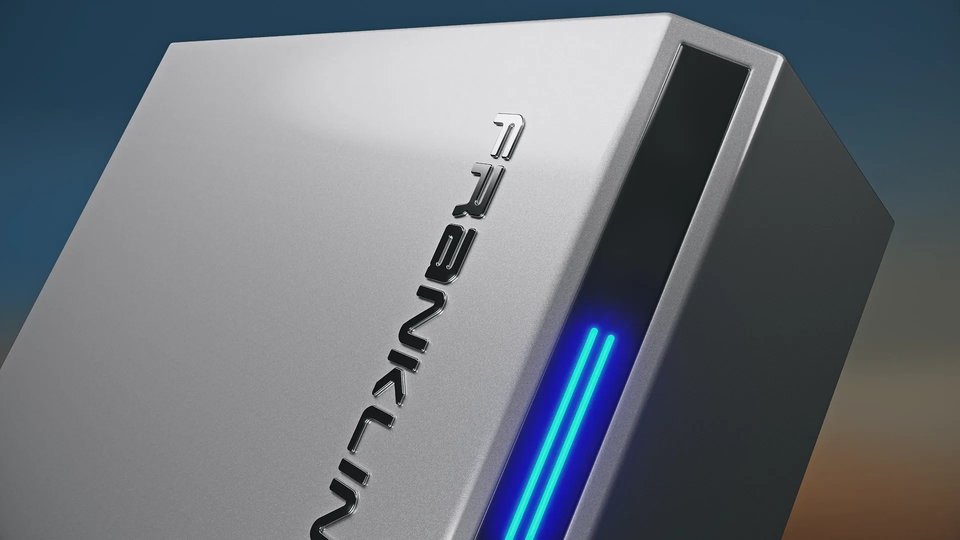
15 kWh and 10 kW from a single unit, a 15-year warranty, and an aGate controller that can also manage a generator. It works with most existing solar systems. It’s usually the most expensive single unit.
Backup Hours Calculator
How long would a full battery keep your home running? An estimate: real use rises and falls as appliances cycle on and off.
With solar, a sunny day can recharge the battery and stretch backup to several days on essentials. Motors such as AC compressors also need a short surge above their running power. Backup time here is an estimate: real use goes up and down through the day, and the battery and your installer’s settings decide what is backed up.
Can a Battery Save You Money?
- Time-of-use rates: charge when power is cheap, use it when it’s expensive.
- Weak net metering: store daytime solar instead of exporting it for a few cents.
- Utility programs: some utilities pay rebates or monthly credits if they can draw on your battery during peak demand.
Even so, with no federal credit, savings alone rarely pay back $11,000–$19,000 within the warranty. Most people buy a battery for backup and peace of mind, and treat savings as a bonus. Check your state and utility for battery rebates before you buy.
Watch: Powerwall 3 vs Enphase vs Franklin
A solar YouTuber compares the three batteries in this guide, including power, warranty and how each fits with solar.
What Real Owners Say
These are individual experiences, summarized in our own words.
During the February 2021 Texas grid failure, an owner whose Powerwall was full when the power went out kept most things off to run the furnace. It used about 23% of the battery in roughly two and a half hours, and cloud cover limited solar recharging. He believes it would have run low overnight if the outage had continued.
Source: AtariAge forumA Florida Panhandle homeowner with a solar-and-battery system said it saved money for years. But in a hurricane outage, after about 64 hours running only a fridge, two fans and some outlets, the batteries were down to 1%, and one battery had failed and needed replacing.
Source: The Cool Down (owner report)- Capacity, power, chemistry and warranty from the makers’ spec sheets
- Installed prices from 2026 installer and marketplace quotes
- Backup time calculated from real-world average loads
- Owner outage reports, good and bad
We haven’t tested these products in person. No brand paid to be included.
When a Home Battery Isn’t Worth It
- Outages are rare and short where you live.
- You have full retail net metering and flat rates, so storing solar earns little extra.
- You only need to keep a fridge and phones going: a portable power station is far cheaper (see our guide to portable power stations).
- You need to run electric heat for days: no single battery will do it without lots of solar or a generator.
Frequently Asked Questions
What is the best home battery in 2026?
For whole-home backup from one unit, the Powerwall 3. For Enphase solar homes or starting small, the IQ Battery 5P. And if you want the most capacity in one cabinet, the FranklinWH aPower 2.
How much does a home battery cost?
Typically about $11,000–$19,000 installed for 13–15 kWh, before state or utility incentives. There is no federal credit for systems installed after 2025.
How long does a home battery last in an outage?
A 13.5 kWh battery can run essentials for roughly a day, or central AC for only a few hours. Solar can recharge it during the day.
Can I add a battery to my existing solar?
Usually, yes. AC-coupled batteries such as Enphase or FranklinWH are the common retrofit choice.
How long do home batteries last?
Warranties run 10–15 years, usually with a minimum remaining capacity. LFP batteries often last longer.
Our Verdict
The best home battery is the one that fits your backup needs and your solar setup. The Powerwall 3 is the simplest way to back up a whole home, Enphase suits Enphase solar and gradual growth, and FranklinWH offers the most capacity per unit. Decide what you must keep running in an outage, size for that, and check local rebates, because the federal credit is gone.
Keep reading
- Best Portable Power Stations for Home Backup (2026): EcoFlow vs Jackery vs Anker: portable backup for outages.
- Solar Payback Period in 2026: How Much You Save and How Long It Takes: how long solar takes to pay for itself.
- Solar Tax Credit 2026: What Ended, Who Still Qualifies and What to Do: which federal solar credits still apply.
Sources We Checked
- Tesla Powerwall 3 product and spec page
- FranklinWH aPower 2 product and spec page
- Enphase IQ Battery 5P data sheet (enphase.com)
- IRS FAQs on the One Big Beautiful Bill energy credit changes (end of the 25D credit)